

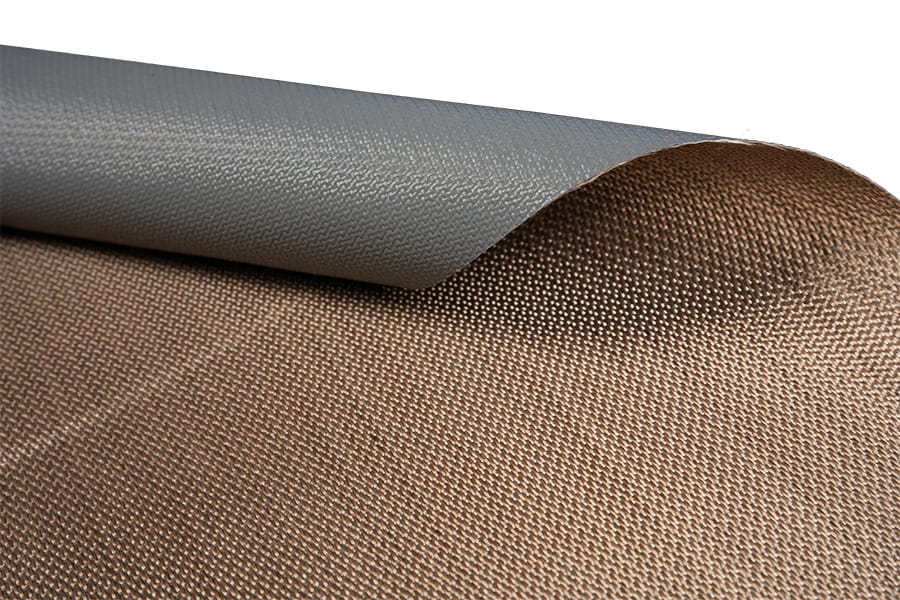
e glass fiberglass cloth roll
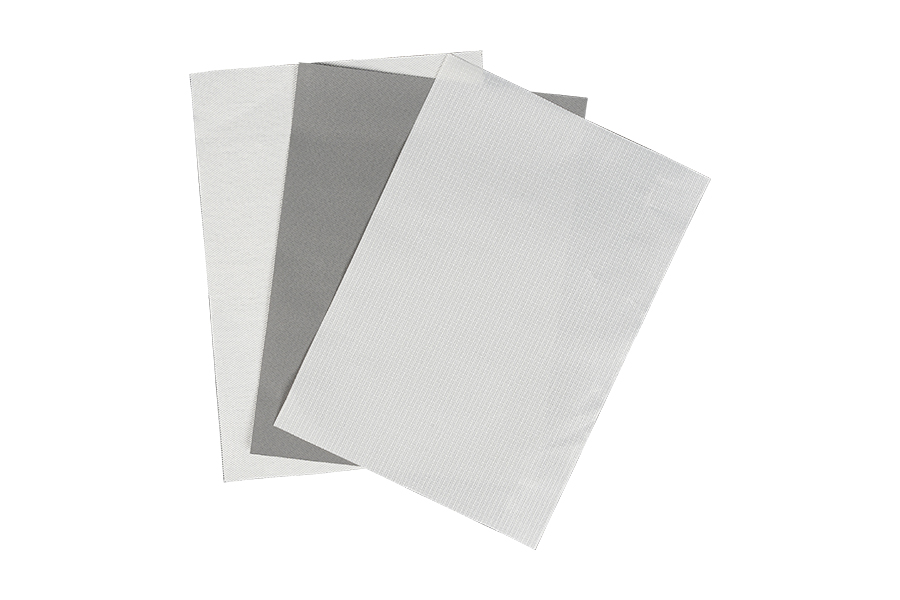
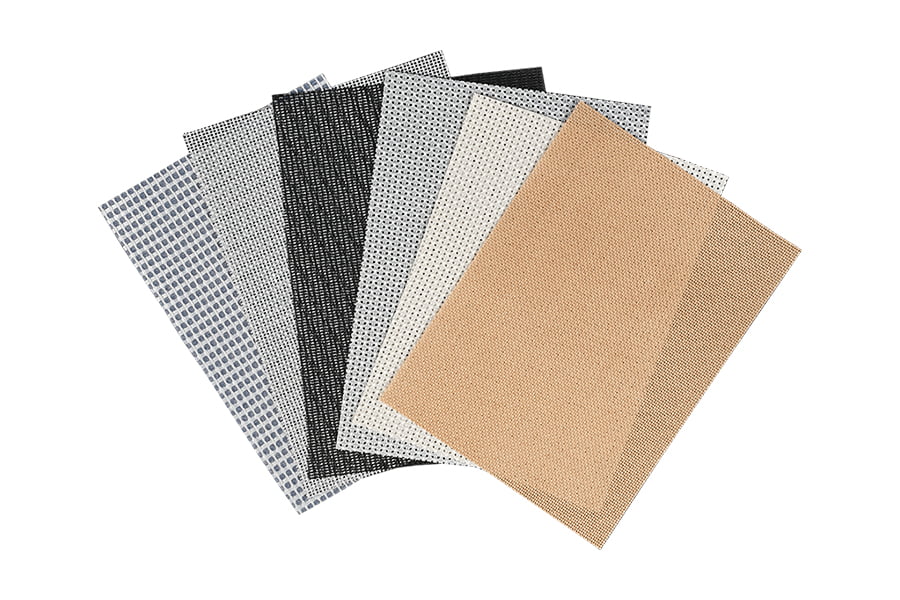
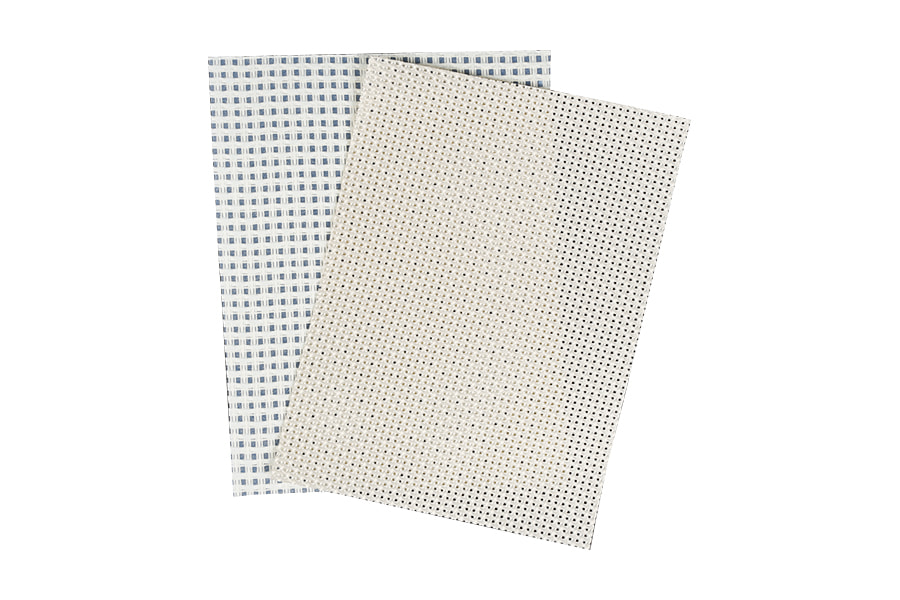
This E-glass fiberglass cloth roll is manufactured from continuous E-glass filaments, composed of alumino-borosilicate glass with low alkali content. The fabric offers tensile strength of 300–400 MPa, modulus of 72 GPa, and dielectric strength of 10 kV/mm. Available in weights from 100 g/m² to 600 g/m² and thicknesses from 0.10 mm to 0.60 mm. Weave patterns include plain, twill, and leno. Compatible with epoxy, polyester, phenolic, and silicone resins. Service temperature ranges from –60°C to 550°C. Roll widths: 800–1200 mm.
Electrical Properties
- Dielectric strength: 10 kV/mm
- Volume resistivity: 10¹⁴ Ω·cm
- Dissipation factor: 0.003 at 1 MHz
- Dielectric constant: 6.0 at 1 MHz
Mechanical Properties
- Tensile strength: 300–400 MPa
- Tensile modulus: 72 GPa
- Elongation at break: 4.5%
- Flexural modulus: 28 GPa
Physical Specifications
- Weight: 100–600 g/m²
- Thickness: 0.10–0.60 mm
- Density: 2.54 g/cm³
- Weave: plain / twill / leno
Thermal Properties
- Service temp: –60°C to 550°C
- CTE: 5.0 × 10⁻⁶ /°C
- Thermal conductivity: 0.035 W/m·K
- Heat deflection: 400°C
Application Areas
Storage & Handling
Frequently Asked Questions
E-glass (electrical glass) is an alumino-borosilicate glass with low alkali content, offering high electrical resistivity and mechanical strength. Compared to C-glass (chemical), E-glass provides better electrical insulation. Compared to S-glass, it offers lower cost with adequate performance for most applications. E-glass is the most widely used glass fiber type.
Yes. E-glass exhibits low dielectric loss (dissipation factor 0.003 at 1 MHz) and stable dielectric constant across frequency ranges, making it suitable for high-frequency circuit boards, radar radomes, and antenna systems. The cloth is also compatible with PTFE and other low-loss resin systems for high-performance microwave applications.
E-glass has low moisture absorption (less than 0.1% by weight in 24-hour immersion). However, the fabric's performance in high-humidity environments depends on the resin system used. For moist or outdoor applications, we recommend using vinylester or epoxy resins, which provide superior moisture resistance and protect the glass fibers from hydrolytic degradation.